
UN Independent Experts: "These prosecutions appear to amount to collective punishment against members of the UOC and those defending them," October 1, 2025
Statement by independent UN experts on the unlawful nature of the law banning the UOC, dated October 1, 2025
On October 1, 2025, a group of UN human rights experts expressed serious concern over the adoption of Ukraine's Law No. 3894-IX, directed against the Ukrainian Orthodox Church, and the ideologically motivated persecution by Ukrainian authorities.
(Source: Office of the United Nations High Commissioner for Human Rights)
The experts stated that the Law is incompatible with international human rights standards.
"We are concerned that the question of the Ukrainian Orthodox Church's alleged ecclesiastical and canonical links with the Moscow Patriarchate — currently under judicial scrutiny — restricts the scope of freedom of worship and religious practice."
The UN experts emphasized that these elements are an integral part of the freedom of thought, conscience and religion.
The UN expert community was alarmed by the decision of the Ukrainian government to revoke the citizenship of the Primate of the Ukrainian Orthodox Church, Metropolitan Onufriy, on national security grounds in July 2025.
They also noted the judicial proceedings against senior UOC hierarchs, clergy and human rights defenders.
The UN experts called on the Government of Ukraine to review Law 3894-IX and to cease trials and administrative measures against UOC clergy.
"These prosecutions appear to amount to collective punishment against members of the UOC and those defending them."
The experts stressed that national security and anti-extremism legislation should not be used to unduly curtail legitimate religious activity.
A separate subject of criticism is the ideologically motivated grounds for persecution and even the dissolution of religious organizations, which are incompatible with the rule of law and the principle of legal certainty.
"…Vague or ideologically-based justifications for the dissolution of religious organisations, such as accusations of extremism under vague anti-extremism provisions or references to the concept of 'Russkiy Mir' or 'pro-Russian affiliation', are incompatible with the principle of legal certainty and risk criminalising freedom of thought, religion or belief, and undermine freedom of assembly and of association."
"Freedom of thought, conscience and religion is non-derogable, even in times of armed conflict."
The statement was signed by:
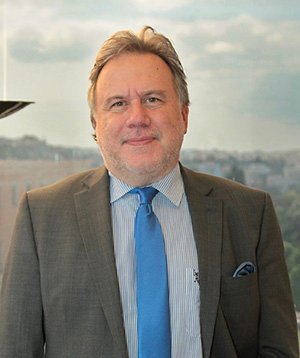
George (Yiorgos) Katrougalos (Independent Expert on the promotion of a democratic and equitable international order),

Nazila Ghanea (Special Rapporteur on freedom of religion or belief),

Nicolas Levrat (Special Rapporteur on minority issues),
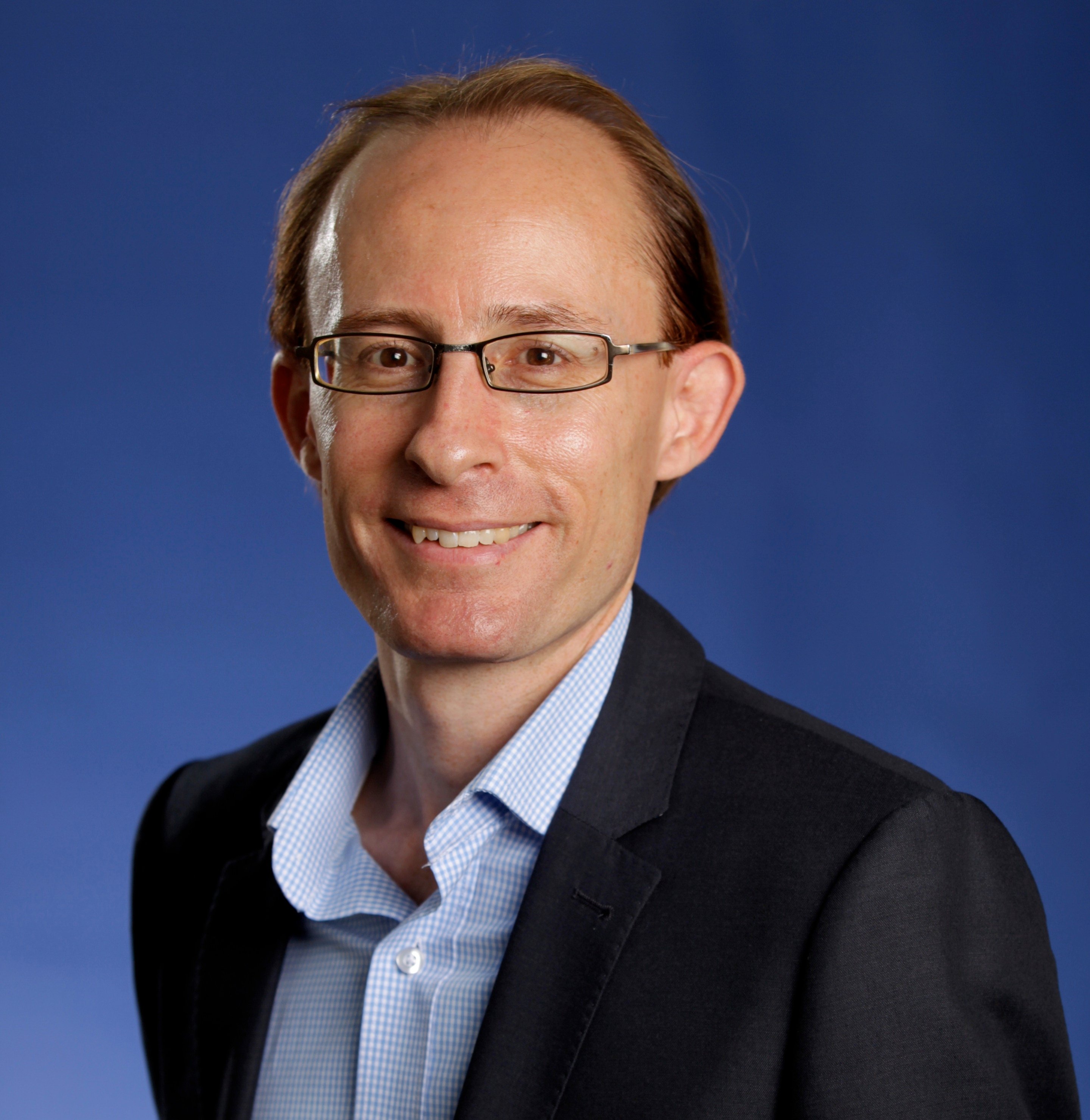
Ben Saul (Special Rapporteur on the promotion and protection of human rights and fundamental freedoms while countering terrorism),

Gina Romero (Special Rapporteur on the rights to freedom of peaceful assembly and of association).
Original text:
GENEVA - UN experts* today expressed serious concern at reports of ongoing persecution of the Ukrainian Orthodox Church (UOC) in Ukraine.
"We are concerned that the question of the Ukrainian Orthodox Church's alleged ecclesiastical and canonical links with the Moscow Patriarchate – currently under judicial scrutiny – restricts the scope of freedom of worship and religious practice," the experts said. "These elements are an integral part of the freedom of thought, conscience and religion as upheld in international standards."
They expressed alarm at the decision of the Ukrainian Government to revoke the citizenship of Metropolitan Onufriy, Primate of the UOC, on national security grounds in July 2025.
On 30 September, an administrative court heard the lawsuit filed by the Ukrainian State Service for Ethnopolitics and Freedom of Conscience (DESS), seeking the dissolution of the Kyiv Metropolis due to its alleged affiliation with the Russian Orthodox Church.
"Freedom of thought, conscience and religion is non-derogable, even in times of armed conflict," the experts said, as they recalled Article 18 of the International Covenant on Civil and Political Rights (ICCPR) and General Comment No. 22. "Furthermore, national security is not grounds for limiting manifestation of this freedom."
The experts warned that vague or ideologically-based justifications for the dissolution of religious organisations, such as accusations of extremism under vague anti-extremism provisions or references to the concept of "Russkiy Mir" or "pro-Russian affiliation", are incompatible with the principle of legal certainty and risk criminalising freedom of thought, and religion or belief, and undermining freedom of assembly and of association.
They highlighted serious concerns with Law 3894-IX, which authorises authorities to dissolve religious organisations that maintain an affiliation with the Russian Orthodox Church. "By equating religious affiliation with threats to national security, this law establishes a framework for State control which is incompatible with international human rights standards," they said. "National security and anti-extremism legislation should not be used to unduly curtail legitimate religious activity."
The experts noted ongoing judicial proceedings against senior UOC hierarchs, clergy and human rights defenders, including Metropolitans Arsenii, Pavlo, Feodosii, Longin, Father Yevhen Koshelnik, journalist Dmytro Skvortsov, and lawyer Svitlana Novytska. "These prosecutions appear to amount to collective punishment against members of the UOC and those defending them," they said.
The experts urged the Government of Ukraine to review Law 3894-IX and cease trials and administrative measures against clergy, defenders and journalists. "We stand ready to continue engaging with the authorities to ensure that human rights are upheld even in times of war," they said.
КУ ст. 35 (свобода вероисповедания) · ЕСПЧ ст. 9 · Нормы ООН
О документе