Повідомлення 7 Спеціальних доповідачів ООН про переслідування УПЦ українською владою від 14 травня 2025 року
Повідомлення 7 Спеціальних доповідачів ООН про переслідування УПЦ українською владою від 14 травня 2025 року
14 травня 2025 року семеро спеціальних доповідачів ООН з прав людини направили офіційного листа українському уряду із заявами про систематичні порушення релігійних свобод щодо Української Православної Церкви, що містить конкретні приклади та правову оцінку.
У 15-сторінковому документі незалежні експерти ООН висловлюють «серйозне занепокоєння» щодо передбачуваного переслідування духовенства, вірян УПЦ, а також журналістів і правозахисників, які висвітлювали масове порушення права на свободу віросповідання в Україні.
У підготовці документа та аналізі даних брали участь:
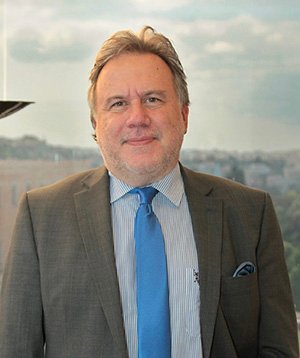
Георгіос Катругалос (Спецдоповідач з питань демократичного міжнародного порядку),
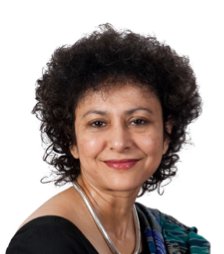
Ірен Хан (Спецдоповідач зі свободи вираження поглядів),
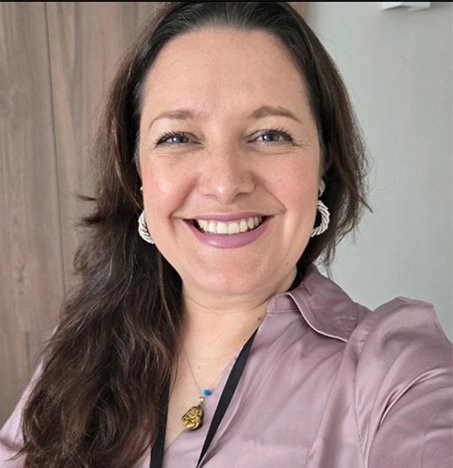
Джина Ромеро (Спецдоповідач зі свободи мирних зібрань),
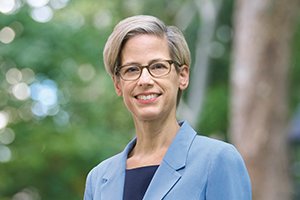
Маргарет Саттертуейт (Спецдоповідач з незалежності суддів),
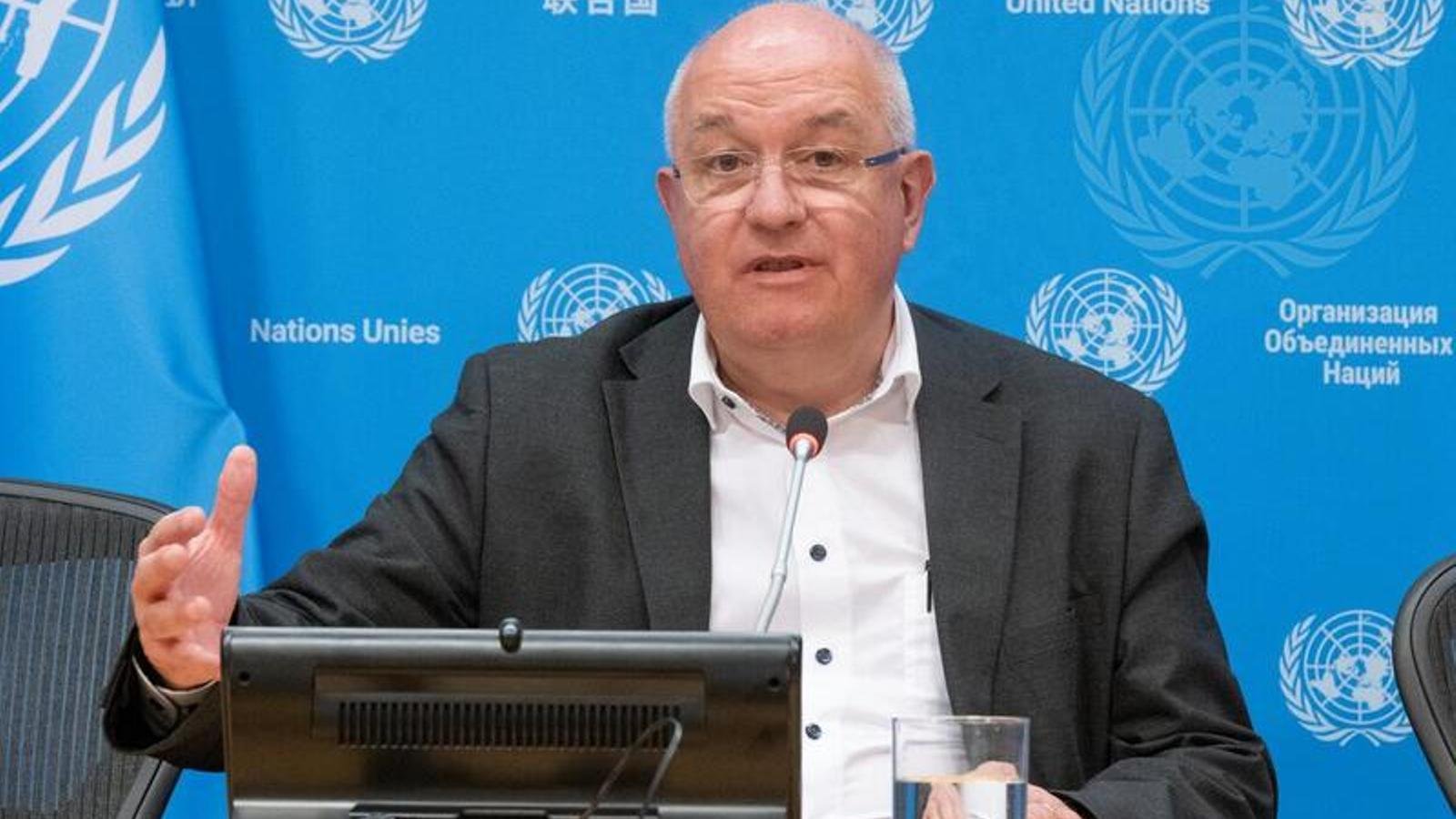
Ніколя Левра (Спецдоповідач з прав меншин),
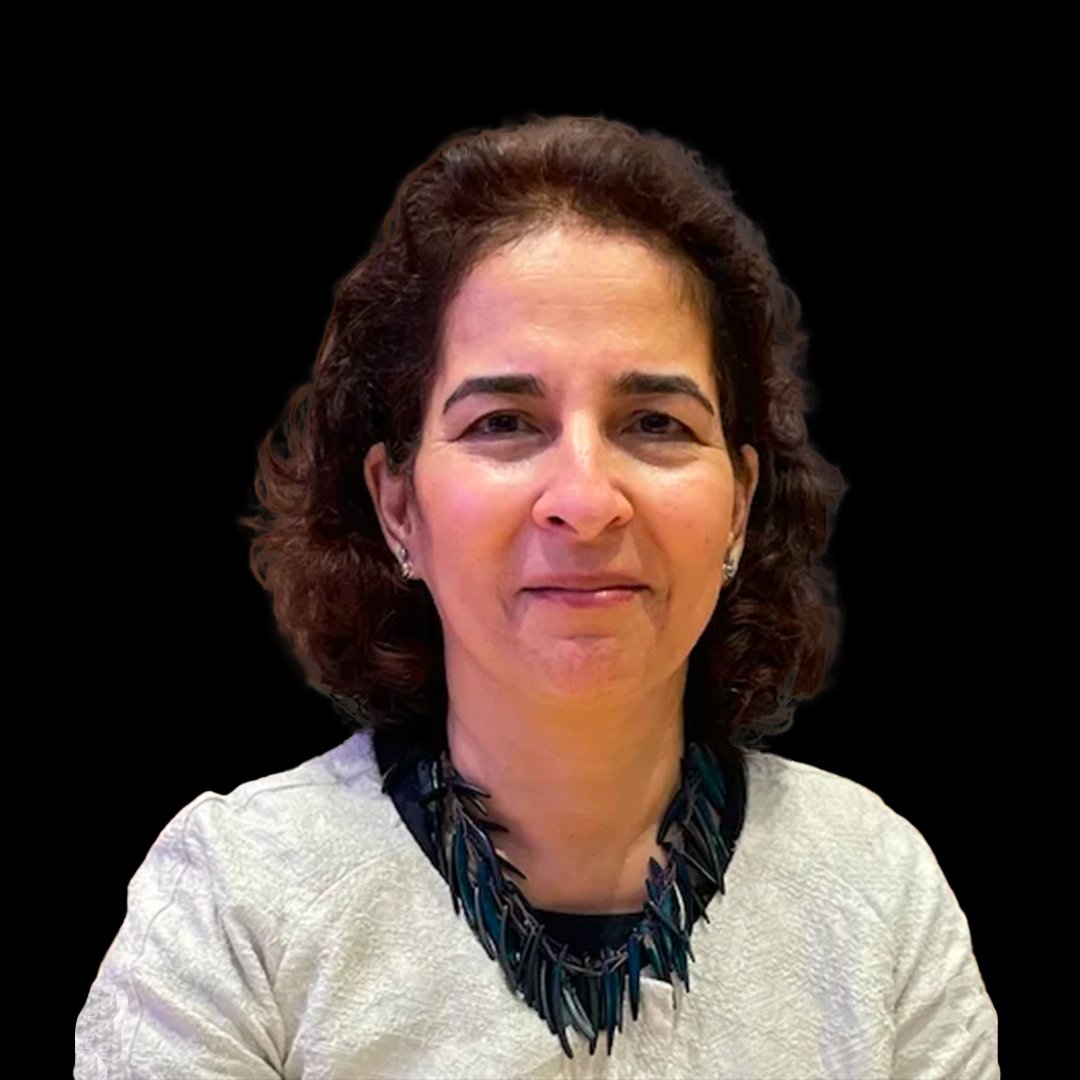
Назіла Ґанеа (Спецдоповідач зі свободи релігії),
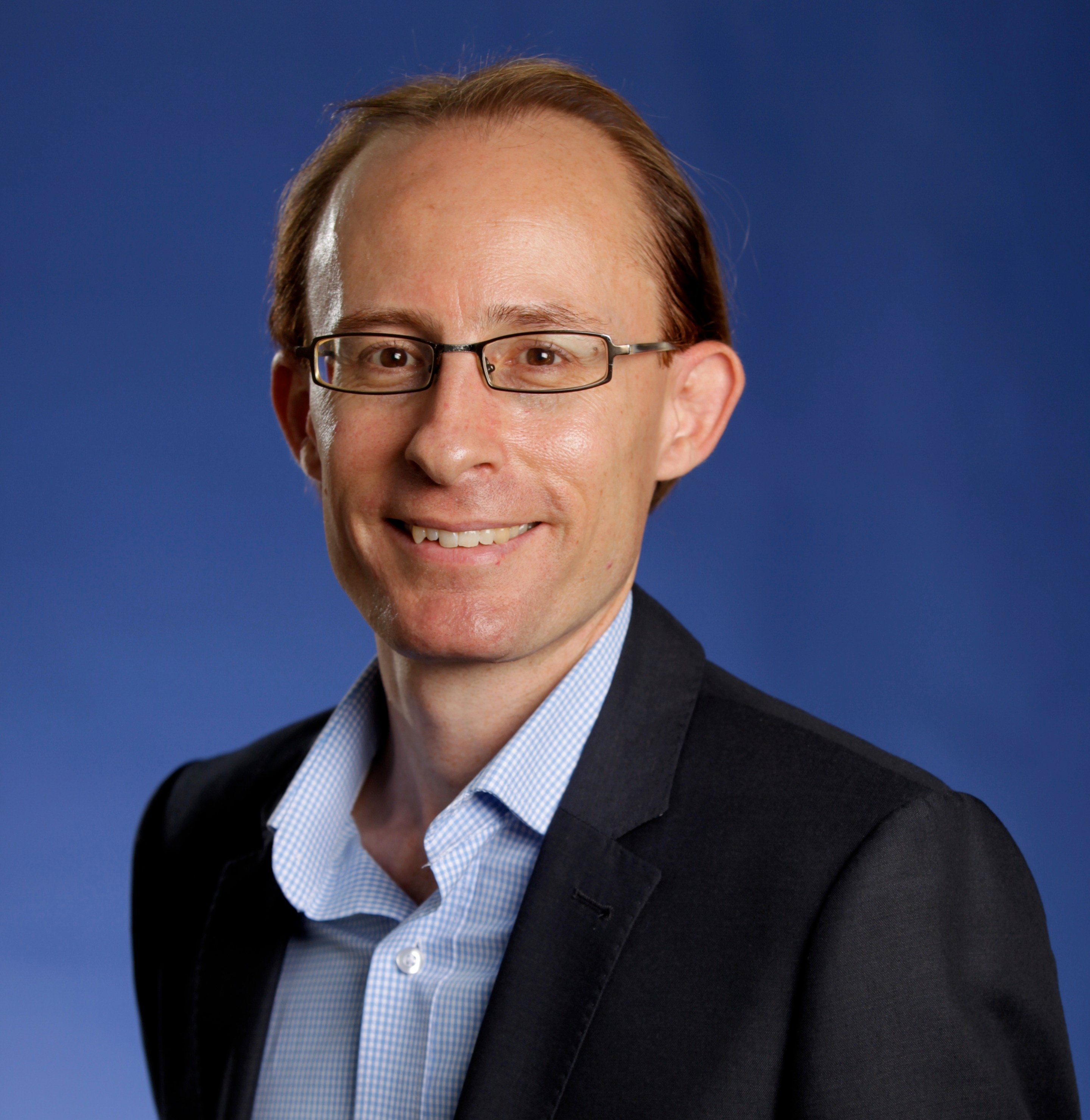
Бен Сол (Спецдоповідач з питань боротьби з тероризмом).
(Джерело: Управління Верховного комісара ООН з прав людини)
Доповідачі стверджують, що українська влада проводить «систематичну кампанію зі знищення» УПЦ, яка включає:
- спробу заборони УПЦ та примусового закриття парафій;
- арешти духовенства;
- захоплення храмів;
- переслідування православних журналістів і правозахисників;
- порушення міжнародних зобов'язань у сфері свободи совісті та захисту релігійних прав громадян.
Примусові закриття парафій.
На думку доповідачів, закон від 20 серпня 2024 року «Про захист конституційного ладу у сфері діяльності релігійних організацій» нібито створив правову основу для розпуску тисяч парафій УПЦ через їхні канонічні зв'язки з РПЦ. За даними ООН, законодавство класифікує канонічні або історичні зв'язки з РПЦ як загрозу національній безпеці. Парафіям фактично пропонується або відмежуватися від УПЦ, або зіткнутися з розпуском і кримінальною відповідальністю за продовження релігійної діяльності.
«Загалом масштабність цієї практики викликає занепокоєння щодо систематичної кампанії з руйнування або насильницького перенаправлення релігійного життя громад УПЦ.
Хоча представники уряду, як стверджується, виправдовують ці дії міркуваннями національної безпеки, постраждалі від цього закону стверджують, що критерії «належності до держави-агресора» застосовуються без достатньої чіткості.
Вони також повідомляють, що не існує суттєвих винятків для парафій, які заперечують політичну діяльність або іноземний контроль, що призводить до фактичної вимоги або дистанціюватися від УПЦ, або зіткнутися з розпуском, виселенням і потенційною кримінальною відповідальністю за продовження релігійних зібрань під назвою УПЦ».
Арешти духовенства. У документі наводяться конкретні випадки затримання вищих ієрархів УПЦ:
Митрополит Феодосій Черкаський — обвинувачення в «виправданні агресії» та «порушенні рівності громадян» (статті 436-2 та 161 КК). З листопада 2022 року стикається з численними кримінальними провадженнями. 17 жовтня 2024 року під час захоплення Михайлівського собору отримав серйозну травму голови від невстановлених нападників.
Митрополит Павло, настоятель Києво-Печерської лаври — обвинувачення в «розпалюванні релігійної ненависті» та «виправданні агресії» (статті 161 та 436-2 КК). Перебуває під домашнім арештом з квітня 2023 року, що перешкоджає виконанню чернечих обов'язків. Короткочасно утримувався у в'язниці через високий розмір застави.
Митрополит Святогірський Арсеній — обвинувачення в «розголошенні військових позицій» (стаття 114-2 КК). Заарештований у квітні 2024 року після обшуку за участю 200 співробітників СБУ за проповідь про молитву за паломників на блокпостах. Утримується під вартою з квітня 2024 року, неодноразово отримував відмови у звільненні під заставу, незважаючи на проблеми зі здоров'ям.
Митрополит Лонгин Банченський — обвинувачення в «розпалюванні релігійної ненависті» (стаття 161 КК) за твердження про канонічну законність УПЦ та критику визнання ПЦУ. Відомий гуманітарною діяльністю та усиновленням понад 500 сиріт.
Священник Євген Кошельник — обвинувачення в «виправданні агресії» (стаття 436-2 КК). У грудні 2024 року засуджений до 5 років ув'язнення. Суд інтерпретував використання церковнослов'янської мови та канонічних посилань на Московський патріархат як «прославлення агресії».
Захоплення храмів. Експерти ООН документують примусові захоплення релігійних об'єктів:
Свято-Михайлівський собор у Черкасах — 17 жовтня 2024 року близько 100 озброєних осіб силою захопили собор. Духовенство та прихожани, які намагалися чинити опір, зазнали застосування сльозогінного газу. Правоохоронці не втрутилися, деяким захисникам храму висунуто обвинувачення у хуліганстві.
Єлецький монастир у Чернігові — місцева влада ініціювала судові процедури для передачі монастиря схваленій державою або пов'язаній із ПЦУ організації. УПЦ позбавлена можливості справедливого судового захисту.
Переслідування захисників. Документ описує створення атмосфери страху для журналістів і правозахисників:
Дмитро Скворцов — журналіста утримували під вартою 23 місяці за обвинуваченням у «зраді» за статті про переслідування УПЦ. Хоча у жовтні 2024 року отримав заставу, судові провадження тривають із загрозою 15-річного вироку.
Світлана Новицька — правозахисницю заарештовано у лютому 2024 року за обвинуваченнями в «держзраді», «розпалюванні релігійної ненависті» та «виправданні агресії» за захист духовенства УПЦ та виступи на міжнародних конференціях ОБСЄ. Утримується без застави у Львівському СІЗО.
«Стверджується, що журналісти, блогери та активісти, які публікували матеріали з критикою підходу держави щодо УПЦ, були названі пропагандистами «російського впливу» або «ідеології «Русского мира»».
У деяких випадках ці особи, як повідомляється, отримували погрози або перебували під наглядом, тоді як інші зазнавали юридичного тиску відповідно до розпливчасто сформульованих законів про національну безпеку або боротьбу з екстремізмом.
Стверджується, що така практика чинить стримувальний вплив на суспільний дискурс, перешкоджаючи відкритому обговоренню релігійних інтервенцій, здійснюваних державою».
Правові аспекти та міжнародні зобов'язання
Спеціальні доповідачі вказують, що описані дії можуть порушувати зобов'язання України за Міжнародним пактом про громадянські та політичні права, ратифікованим країною у 1973 році. Особливо підкреслюється, що свобода релігії залишається «невід'ємним правом навіть під час воєнного стану».
Експерти критикують використання невизначених понять на кшталт «ідеології русского мира» для кримінального переслідування за богословські погляди та літургійні практики. На їхню думку, влада застосовує кримінальне право не за «явні заклики до насильства», а за «посилання у проповідях на традиційну літургійну мову, заклики до канонічної єдності або вираження незгоди з підтримуваними державою православними юрисдикціями».
Доповідачі зазначають, що хоча поточний збройний конфлікт може виправдовувати надзвичайні заходи, «право на свободу релігії залишається таким, від якого не можна відступати за жодних обставин». Комітет ООН з прав людини раніше вказував, що обмеження свободи релігії з міркувань національної безпеки є неприпустимими навіть у воєнний час.
У додатку до листа експерти посилаються на рішення Європейського суду з прав людини, зокрема на справу «Митрополітська церква Бессарабії проти Молдови» (2001), де підкреслюється, що держави не можуть примушувати релігійні громади змінювати духовну приналежність із політичних міркувань.
Системний характер порушень
Особливе занепокоєння у доповідачів викликає «всеосяжний характер» практик проти УПЦ, що дає підстави говорити про «систематичну кампанію зі знищення або примусового перенаправлення релігійного життя» громад Церкви.
«Спостерігачі зазначають, що богословські розбіжності, включаючи відмову УПЦ визнати новостворені релігійні організації, кваліфікувалися як обвинувачення, пов'язані з конфліктом, що є надмірним застосуванням положень про національну безпеку або боротьбу з екстремізмом.
Далі стверджується, що ці розпливчасті ідеологічні класифікації дозволяють накладати кримінальні або адміністративні санкції виключно на підставі історичної приналежності або доктринальної позиції конкретної релігійної громади.
На практиці, як повідомляється, духовенство, вірян або пов'язаних із УПЦ осіб переслідували не за явні заклики до насильства, а за посилання у проповідях на традиційну літургійну мову, заклики до канонічної єдності або вираження незгоди з підтримуваними державою православними юрисдикціями».
За даними ООН, в усіх випадках переслідування духовенство УПЦ «зазнавало тривалого попереднього ув'язнення або обмежувальних заходів у вигляді домашнього арешту», їм нерідко відмовляли у звільненні під заставу. Суди, як стверджується, спираються на лінгвістичну «експертизу», що засвідчує «проросійські симпатії», замість конкретних доказів злочинного умислу.
Експерти зазначають, що «характер обвинувачень і мінімальна фактологічна база, що виходить за межі богословських дискусій, проповідей або літургійних практик», свідчить про те, що кримінальне право використовується для обмеження впливу УПЦ.
У листі містяться вісім конкретних запитань до українського уряду, що вимагають докладної відповіді:
Щодо релігійних переслідувань: Влада має надати додаткову інформацію про примусовий розпуск, виселення та переслідування громад УПЦ, а також пояснити, як обмеження відповідають принципам законності, необхідності та пропорційності.
Щодо кримінальних справ: вимагається роз'яснити правову та доказову основу для переслідування духовенства за обвинуваченнями в «підбурюванні», «виправданні агресії» або за використання поняття «русский мир», особливо коли йдеться про мирну релігійну діяльність.
Щодо справедливого суду: доповідачі вимагають вказати гарантії забезпечення права на справедливий суд відповідно до міжнародних стандартів, включаючи незалежність суддів, доступ до правової допомоги та презумпцію невинуватості.
Щодо церковного майна: необхідно деталізувати процедури повернення захопленого майна, виплати компенсацій і судового оскарження примусових передач релігійних об'єктів.
Щодо захисту правозахисників: Влада має інформувати про заходи захисту журналістів, адвокатів і активістів, які документують порушення щодо УПЦ, від переслідування та незаконних арештів.
Щодо позбавлення громадянства: У випадках депортації ієрархів УПЦ вимагається вказати правові підстави, дотримувані процедури та можливості оскарження таких рішень.
Щодо воєнного стану: Доповідачі наполягають на роз'ясненні заходів із недопущення надмірного обмеження свободи релігії під приводом надзвичайного стану.
Повний оригінальний текст листа:
Mandates of the Independent expert on the promotion of a democratic and equitable international order; the Special Rapporteur on the promotion and protection of the right to freedom of opinion and expression; the Special Rapporteur on the rights to freedom of peaceful assembly and of association; the Special Rapporteur on the independence of judges and lawyers; the Special Rapporteur on minority issues; the Special Rapporteur on freedom of religion or belief and the Special Rapporteur on the promotion and protection of human rights and fundamental freedoms while countering terrorism
Ref.: AL UKR 1/2025
14 May 2025
Excellency, We have the honour to address you in our capacities as Independent expert on the promotion of a democratic and equitable international order; Special Rapporteur on the promotion and protection of the right to freedom of opinion and expression; Special Rapporteur on the rights to freedom of peaceful assembly and of association; Special Rapporteur on the independence of judges and lawyers; Special Rapporteur on minority issues; Special Rapporteur on freedom of religion or belief and Special Rapporteur on the promotion and protection of human rights and fundamental freedoms while countering terrorism, pursuant to Human Rights Council resolutions 57/7, 52/9, 50/17, 53/12, 52/5, 49/5 and 58/14.
In this connection, we would like to bring to the attention of your Excellency's Government information we have received concerning the alleged targeting and discrimination against members of the Ukrainian Orthodox Church (UOC).
According to the information received: The UOC has reportedly been subject to discrimination against religious communities, including criminal prosecution of its clergy, believers, and individuals who seek to document, report on, or legally defend them. These allegations raise serious concerns regarding the rights to freedom of religion or belief, peaceful assembly and freedom of association, the prohibition against arbitrary detention, and the right to freedom of expression for journalists and human rights defenders who have attempted to bring public attention to these matters.
The alleged practices include but are not limited to state-orchestrated or stateapproved evictions of UOC clergy and congregations from their churches, monasteries, and other religious properties; and the prosecution of clerics under broadly defined national security or anti-extremism provisions. We have also received reports indicating that this suppression extends to lawyers who represent targeted clergy, journalists who investigate church property seizures, and human rights defenders who publicly condemn restrictive legislation. In some instances, individuals among these groups have reportedly been subjected to intimidation, house arrest, prolonged pretrial detention, or the revocation of citizenship.
PALAIS DES NATIONS • 1211 GENEVA 10, SWITZERLAND
1. Forced Dissolution of Religious Communities and Legislative
Measures.
On 20 August 2024, the Verkhovna Rada of Ukraine enacted the Law on the Protection of the Constitutional Order in the Sphere of Religious Organizations' Activities. This legislation reportedly imposes prohibitions on religious entities deemed to be affiliated—canonically, administratively, or spiritually—with foreign religious centers located in countries designated as "aggressor states." By classifying canonical or historical ties to the Russian Orthodox Church (ROC) as a threat to national security, the law allegedly provides a legal basis for dissolving or banning thousands of Ukrainian Orthodox Church (UOC) parishes.
Traditional worship services have reportedly been disrupted or disbanded, with congregations informed that their continued affiliation with the ROC renders them ineligible to function legally. In certain instances, authorities have allegedly insisted on re-registration under a state-approved religious entity, effectively pressuring or compelling parishes to affiliate with the Orthodox Church of Ukraine (OCU) or other denominations recognized by the Government.
Overall, the sweeping nature of these practices raises concerns of a systematic campaign to dismantle or forcibly redirect the religious life of UOC communities. Although Government representatives are said to justify these actions on grounds of national security, those affected by the law maintain that the criteria for "aggressor-state affiliation" are applied with insufficient clarity. They further report that no meaningful exemption exists for parishes that disclaim political activities or foreign control, resulting in a de facto requirement either to dissociate from the UOC or to face dissolution, eviction, and potential criminal liability for continued religious gatherings under the UOC name.
2. Arrests and Criminal Prosecutions of Clergy and Believers.
According to the information received, it is alleged that multiple senior clergy, priests, and monastics of the Ukrainian Orthodox Church (UOC) have been arrested or placed under restrictive measures on charges such as "justifying aggression," "inciting religious hatred," or broader national security offenses.
The following cases have been highlighted as particularly concerning:
i. Metropolitan Feodosii (Snigiryev) of Cherkasy and Kaniv.
It is alleged that since November 2022, Metropolitan Feodosiy has faced multiple criminal proceedings brought by the Security Service of Ukraine (SBU) under articles 436-2 ("justification of aggression") and 161 ("violating the equality of citizens") of the Ukrainian Criminal Code. These charges allegedly stem from his public defense of the UOC's canonical independence and his refusal to recognize the statebacked Orthodox Church of Ukraine (OCU). On 17 October 2024, during what is described as a forced seizure of St. Michael's Cathedral in Cherkasy, he reportedly suffered a severe head injury after being beaten by unidentified assailants, while authorities subsequently escalated charges against him rather than pursuing those allegedly responsible for the violence.
ii. Metropolitan Pavlo (Lebid), Abbot of Kyiv-Pechersk Lavra.
It is claimed that on 1 April 2023, Metropolitan Pavel was charged under articles 161 and 436-2 for "inciting religious hatred" and "justifying aggression," allegedly based on sermons and private statements supporting the UOC'straditional ties with the Russian Orthodox Church.
Initially placed under round-the-clock house arrest, he was subsequently jailed when the court imposed a high bail, allegedly paid by UOC faithful. Following his release on bail, he was again placed under house arrest, effectively preventing him from attending church services or conducting monastic duties at Kyiv-Pechersk Lavra.
iii. Metropolitan Arsenii (Yakovenko), Abbot of Sviatohirsk Lavra.
It is reported that on 24 April 2024, nearly 200 SBU officers raided the Sviatohirsk Lavra, arresting Metropolitan Arseniy under article 114-2 ("disclosure of military positions"). The alleged basis was a sermon in which he asked parishioners to pray for pilgrims encountering hardships at military checkpoints—an act the prosecution recast as undermining state security. Metropolitan Arseniy has since remained in pretrial detention, repeatedly been denied bail despite severe health conditions and the lack of any direct evidence linking his religious remarks to criminal wrongdoing.
iv. Metropolitan Lonhin (Mykhailo Zhar) of Banchensk.
Known for his humanitarian work—including the adoption of over 500 orphans, Metropolitan Longin was charged under article 161 for "inciting religious hatred" following sermons that asserted UOC canonical legitimacy and criticized the OCU's recognition, raising concerns of selective enforcement and retaliatory prosecution.
v. Father Yevhen Koshelnik.
On 24 December 2024, the Kalynivskyi District Court of Vinnytsia Region sentenced Father Koshelnik to five years in prison under article 436-2, interpreting his continued use of Old Slavonic liturgical language and canonical references to the Moscow Patriarchate as "glorification of aggression." Prosecutors argued that these liturgical practices evidenced a "pro-Russian stance," transforming routine religious expressions into grounds for criminal liability. Court documents reportedly interpret his continued use of Old Slavonic liturgical language and references to the Moscow Patriarchate as evidence of "glorifying aggression" or "pro-Russian views," rather than genuine incitement to violence.
In all these instances, the detaineesreportedly endured prolonged pretrial detentions or restrictive house-arrest measures, often denied bail and subjected to closed-door hearings. In some cases, courts appear to rely on linguistic "expertise" asserting "pro-Russian sympathies" rather than concrete evidence of criminal intent. The nature of the charges—and the reportedly minimal factual basis beyond theological discussions, sermons, or liturgical practices—suggests that criminal law may be being deployed to curtail the UOC's influence and those who continue to exercise their faith as aligned with the Russian Orthodox Church.
3. Confiscation of Church Properties.
According to the information received, it is alleged that in multiple regions of Ukraine, UOC cathedrals, monasteries, and parish buildings have been subjected to forced state takeover, often through administrative decrees or local court rulings. The following examples have been particularly noted:
i. St. Michael's Cathedral in Cherkasy.
On 17 October 2024, it is reported that approximately one hundred armed individuals forcibly entered and seized this UOC cathedral, allegedly acting with tacit or explicit state support. Witness accounts claim that clergy and worshippers who attempted to resist were physically expelled and subjected to tear gas, resulting in several injuries. Law enforcement officers present at the time reportedly failed to intervene, and, in the aftermath, some UOC believers who defended the cathedral were accused of hooliganism.
ii. Chernihiv's Yeletsky Monastery.
It is further alleged that local authorities initiated legal proceedings to terminate the UOC's rights to use Yeletsky Monastery, ultimately ruling in favor of transferring the property to an alternative state-backed or OCU-affiliated entity. UOC congregants who sought judicial redress for this takeover reportedly encountered significant procedural obstacles, with their appeals dismissed or delayed, thereby limiting their legal remedies.
iii. Other Locations.
Reports also mention instances where municipal or regional councils revoked long-standing land leases held by UOC communities, purportedly under newly enacted or expanded legal provisions targeting entities deemed to have links with "aggressor states."
In these and similar episodes, it is alleged that UOC representatives have consistently been denied the opportunity to present counterevidence or challenge the expropriation of their religious properties under fair judicial processes. Some observers assert that local officials have publicized these seizures as a necessary "reassignment" of ecclesiastical assets to state-approved or "patriotic" religious bodies, raising concerns that the confiscations may be aimed at erasing the UOC's presence in key historical or symbolic sites.
4. Impact on Journalists, Lawyers, and Human Rights Defenders.
According to the information received, it is alleged that individuals who have reported on or legally challenged the ongoing measures against the UOC—journalists investigating forced religious closures, lawyers representing UOC clergy, and human rights defenders publicizing the alleged violations—have also faced harassment and prosecution under similar legal provisions. The following cases have been cited as particularly indicative:
i. Journalist Dmytro Skvortsov.
It is claimed that Mr. Skvortsov was arbitrarily detained for approximately 23 months under charges of "treason," allegedly linked to his published articles documenting UOC persecution and criticizing certain governmental actions toward religious institutions. According to reports, his detention was repeatedly extended without substantial judicial review, during which he was held in what are described as harsh conditions. Although eventually granted bail in October 2024, he remains subject to ongoing legal proceedings, purportedly facing a potential 15-year sentence.
ii. Human Rights Lawyer Svitlana Novytska.
It isfurther alleged that on 29 February 2024, Ms. Novytska was arrested on charges of "high treason," "inciting religious hatred," and "justifying aggression," under articles 111, 161, and 436-2 of the Ukrainian Criminal Code. Sources indicate that her prosecution follows her legal defense of UOC clergy, as well as her public advocacy in international fora, including OSCE conferences, where she reportedly highlighted the forced dissolution of UOC communities and the alleged criminalization of dissenting theological views. Observers claim that she has been detained without bail in Lviv Penitentiary Institution No. 19. Concerns have been raised that her arrest may be intended to discourage other legal professionals from defending UOC clerics or questioning the state's actions.
iii. Other Human Rights Defenders and Media Outlets.
It is alleged that additional journalists, bloggers, and activists who published content critical of the state's approach toward the UOC have been labeled as promoting "Russian influence" or "Russkiy Mir ideology." In some instances, these individuals reportedly received threats or were placed under surveillance, while others faced legal scrutiny under vaguely worded national security or anti-extremism laws.
Such practices are said to create a chilling effect on public discourse, dissuading open discussion of state-driven religious interventions.
5. Use of Vague Ideological Categories.
According to the information received, it is alleged that Ukrainian authorities have frequently invoked "Russkiy Mir" ideology or canonical ties to the Russian Orthodox Church (ROC) as grounds for suppressing the UOC and individuals who document or defend its activities. Observers state that theological disagreements—including the UOC's refusal to recognize newly established religious entities—have been categorized as conflict-related charges, in an overbroad application of national security or anti-extremism provisions
It is further alleged that these vague ideological classifications enable criminal or administrative sanctions to be imposed based solely on a particular religious community's historical affiliation or doctrinal stance. In practice, UOC clergy, believers, or associated individuals have reportedly faced prosecution not for explicit calls to violence, but for sermon references to traditional liturgical language, appeals to canonical unity, or the expression of disagreement with state-backed Orthodox jurisdictions.
While we do not wish to prejudge the accuracy of these allegations, we express concern that the above actions, if confirmed, may contravene Ukraine's obligations under international human rights law, including the International Covenant on Civil and Political Rights(ICCPR), ratified by Ukraine on 12 November 1973. In particular, these allegations raise questions under article 18 of the ICCPR, which protects freedom of religion or belief and forbids coercion that would impair the freedom to have or adopt a religion or belief of one's choice; article 9, prohibiting arbitrary arrest or detention; article 14 , encompassing fair trial guarantees; article 19, safeguarding freedom of expression; and articles 2 and 26, affirming non-discrimination in the enjoyment of all rights.
We also understand that the current armed conflict may warrant extraordinary measures, related to national interests, for which the ICCPR allows derogations to human rights protections. However, the right to freedom of religion or belief remains non-derogable in all circumstances. Furthermore, and in accordance with the ICCPR, no limitations based on "national security" are foreseen in its article 18(3). The UN Human Rights Committee observed in its general comment No. 22 that restrictions are not allowed on grounds not specified in article 18(3), even if they would be allowed as restrictions to other rights protected in the Covenant, such as national security.
We are also concerned at the allegations of prosecution of individuals, including clerics, journalists, human rights defenders under broadly defined national security or anti-extremism legislation. We have previously expressed concern at the adverse impact of the use of anti-extremism legislation in the context of freedom of thought, conscience and religious belief (A/73/362, paras. 13-14), including by Ukrainian authorities (UKR 3/2020). We recall that according to the Special Rapporteur on the promotion and protection of human rights and fundamental freedoms while countering terrorism, "the term 'extremism' has no purchase in binding international legal standards and, when operative as a criminal legal category, is irreconcilable with the principle of legal certainty; it is therefore per se incompatible with the exercise of certain fundamental human rights" (A/HRC/43/46, para. 14). We also draw attention to other pertinent international standards, including the Declaration on the Elimination of All Forms of Intolerance and of Discrimination Based on Religion or Belief, as well as jurisprudence under the European Convention on Human Rights, to which Ukraine is a party.
In connection with the above alleged facts and concerns, please refer to the Annex on Reference to international human rights law attached to this letter which cites international human rights instruments and standards relevant to these allegations.
As it is our responsibility, under the mandates provided to us by the Human Rights Council, to seek to clarify all cases brought to our attention, we would be grateful for your observations on the following matters:
1. Please provide any additional information and/or comment(s) regarding the allegations that UOC communities and clergy have been forcibly dissolved, evicted, or prosecuted.
2. Please explain how Your Excellency's Government ensures that restrictions imposed on the UOC respect the requirements of legality, necessity, and proportionality, and do not result in discrimination against any specific religion or belief denomination.
3. Please clarify the legal and evidentiary basis for prosecuting UOC clergy or believers under charges related to "incitement," "justifying aggression," "Russkiy Mir" ideology, or under anti-extremism provisions, particularly where the alleged conduct appears to involve peaceful religious speech or canonical ties. Please indicate whether and how these prosecutions are in line with international human rights law and standards, including freedom of expression and freedom of religion or belief.
4. Please indicate what safeguards exist to ensure that individuals facing charges are afforded fair trial rights under article 14 of the ICCPR, including judicial independence, access to legal counsel, and the presumption of innocence.
5. Please detail any processes through which seized church properties may be returned, or compensation may be sought, and whether judicial recourse is available to challenge forced transfers or closures of UOC religious sites, in conformity with the right to an effective remedy under article 2 of the ICCPR.
6. Please provide information on measures taken to protect journalists, lawyers, and human rights defenders documenting or challenging UOCrelated proceedings from prosecution, harassment, or unlawful arrest, in line with articles 19, 21 and 22 of the ICCPR.
7. In instances of citizenship revocation or deportation of UOC hierarchs, please specify the factual and legal grounds, procedures followed, and avenues to appeal or review such decisions, especially in light of obligations under the 1961 Convention on the Reduction of Statelessness.
8. Finally, please indicate the steps Your Excellency's Government is taking to ensure that martial law or similar emergency measures do not unduly restrict the freedom to manifest one's of religion or belief, which remains a non-derogable right pursuant to article 4(2) of the ICCPR.
This communication and any response received from your Excellency's Government will be made public via the communications reporting website within 60 days. They will also subsequently be made available in the usual report to be presented to the Human Rights Council.
While awaiting a reply, we urge that all necessary interim measures be taken to halt the alleged violations and prevent their re-occurrence and in the event that the investigations support or suggest the allegations to be correct, to ensure the accountability of any person(s) responsible for the alleged violations.
We respectfully urge Your Excellency's Government to take all necessary interim measures to prevent further reprisals or harm against UOC clergy, believers, and those defending them, ensuring full respect for the rights to freedom of religion or belief, freedom of expression, and due process. We further encourage Your Excellency's Government to establish clear guidelines precluding the misuse of national security or counter-extremism legislation to curtail legitimate religious activity, in line with international human rights standards.
Please accept, Excellency, the assurances of our highest consideration.
George Katrougalos Independent expert on the promotion of a democratic and equitable international order
Irene Khan Special Rapporteur on the promotion and protection of the right to freedom of opinion and expression
Gina Romero Special Rapporteur on the rights to freedom of peaceful assembly and of association
Margaret Satterthwaite Special Rapporteur on the independence of judges and lawyers
Nicolas Levrat Special Rapporteur on minority issues
Nazila Ghanea Special Rapporteur on freedom of religion or belief
Ben Saul Special Rapporteur on the promotion and protection of human rights and fundamental freedoms while countering terrorism
Международное право
О документе
Организация
OHCHR
Об организации
Управление Верховного комиссара ООН по правам человека (OHCHR). Ведёт мониторинговые миссии и публикует периодические доклады о ситуации с правами человека в Украине.